Lake, land & life
Landscape & wildlife
Amherst Island is pasture and wetland, limestone and sand, sheltered bay and open lake. Its habitats, weather, farms, and wildlife are inseparable parts of the same island landscape.
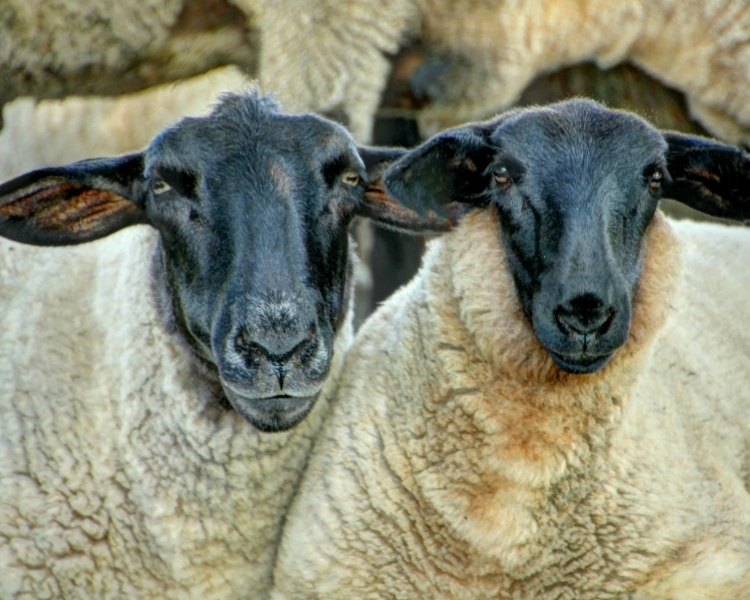
The island itself
Long, low, and surrounded by weather
Amherst Island runs southwest to northeast in eastern Lake Ontario, about three kilometres from the mainland at its nearest crossing. Nut Island lies to the south, Grape Island to the west, and the Brother Islands to the northeast.
Stella sits around a protected bay on the north shore. Emerald, once a second centre of island life, lies about 6.5 kilometres west along Front Road. Beyond them, roads pass fields, farmsteads, wetlands, woods, and long sections of shore.
Habitats
A working and living mosaic
Pasture & meadow
Much of the island is open agricultural land shaped by grazing, hay, soil, wind, and generations of farm work. It supports livestock as well as grassland birds and small mammals.
Wetlands & marsh
Big Marsh, Long Point Marsh, Sand Beach, and other wet areas provide breeding, feeding, and resting habitat for waterfowl, shorebirds, amphibians, reptiles, and insects.
Woodlots & Owl Woods
Remnant deciduous woods, conifer stands, hedgerows, and thickets provide shelter in an otherwise open landscape. Owl Woods is especially sensitive and privately owned.
Shoreline & open water
Lake Ontario brings fish, waterbirds, migrating birds, ice, storm waves, erosion, and constant change to more than one kind of coast.
Wild neighbours
Watch the margins
The island is widely known for birds, particularly wintering raptors and owls, but the full cast is much larger.
White-tailed deer, coyotes, foxes, raccoons, and other mammals move between fields, roadsides, shore, and cover. Wetlands support amphibians and reptiles. Lake, bay, marsh, grassland, and woods attract different bird communities through migration, breeding season, and winter.
Useful birding areas include Sand Beach, Owl Woods, and the Kingston Field Naturalists’ Martin Edwards Reserve at the southwest end of the island. Access rules differ, and seeing a bird never justifies leaving a public road or marked trail.
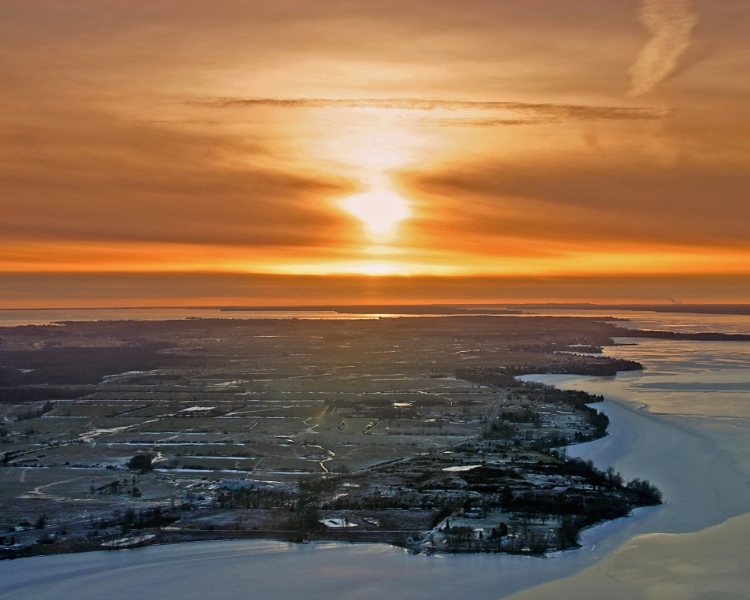
Island weather
The lake writes the forecast
Lake Ontario moderates temperature, delays or extends seasonal changes, and creates sharp differences across a relatively small island. Islanders may see sunshine while the mainland sits under cloud—or the reverse.
Wind
Southwesterly winds cross a long reach of open water and can bring cooling summer air or powerful autumn surf. Winter winds often make exposed roads and shores feel much colder.
Spring & autumn
The lake warms and cools slowly. Shoreline position and wind exposure can make flowers, frost, leaves, and growing conditions differ from one part of the island to another.
Winter
Snow, drifting, ice, visibility, and ferry conditions can change quickly. Natural areas may be slippery or inaccessible even when roads in Stella are clear.
Observe without taking over
Give wildlife room
Stay back. Use binoculars or a long lens; do not approach, surround, feed, call, or flush wildlife.
Protect roosts and nests. Remain on marked trails, keep noise low, avoid flash, and never move branches for a clearer view.
Keep roads safe. Pull fully off only where parking is legal and the ground can support the vehicle. Do not stop in a live lane.
Check current conditions. Sensitive places may close temporarily. The right to observe never outranks a closure, a landowner’s permission, or the animal’s welfare.